
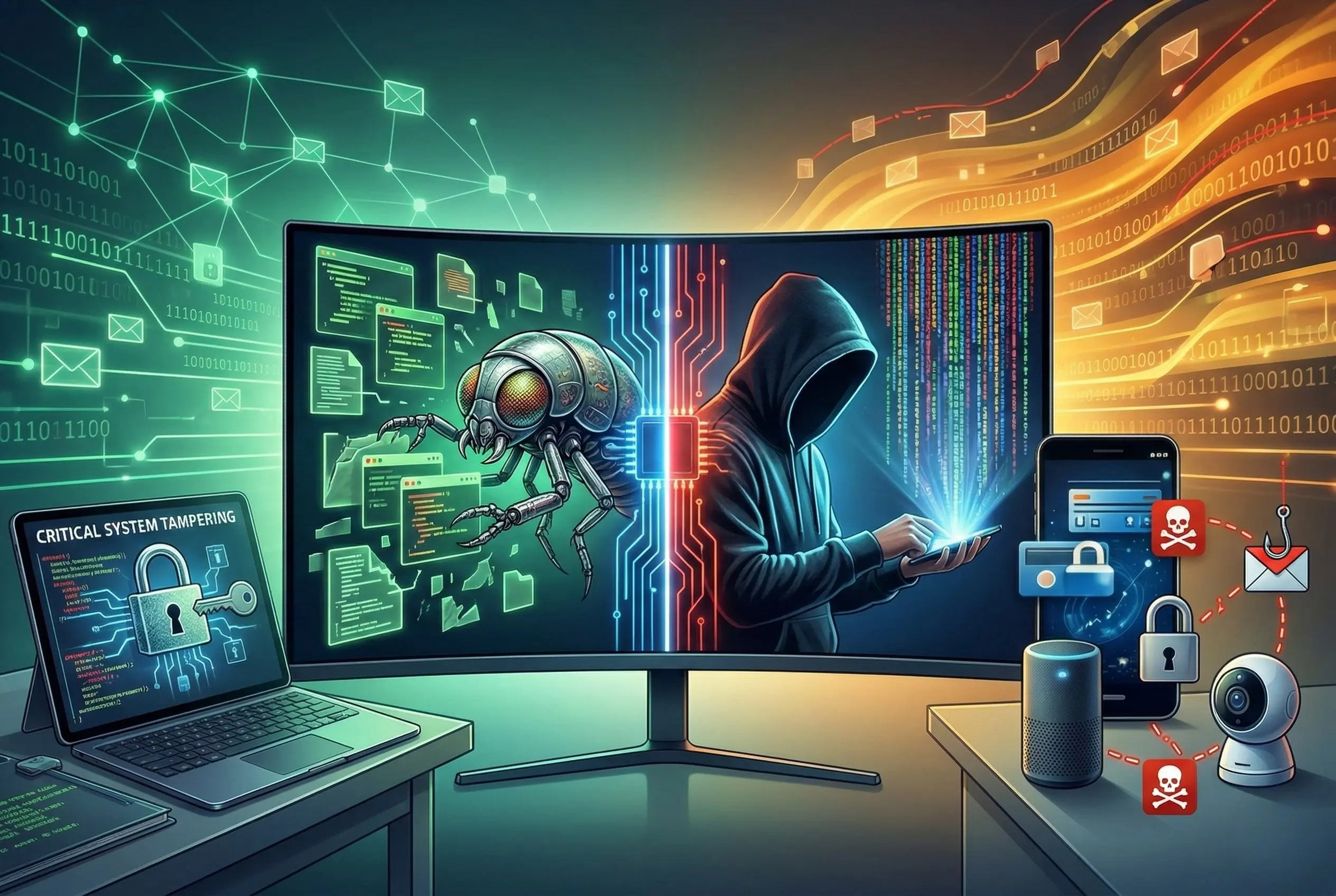
The term malware is often mentioned in discussions about online security, but many people are not entirely sure what it means. While it is sometimes used interchangeably with “virus,” malware actually refers to a much broader category of digital threats.
In today’s connected world, understanding what malware is and how it affects your devices is an essential step toward building safer online habits. Modern cyber threats are not always obvious, and many operate silently in the background.
What Is Malware?
Malware stands for malicious software. It refers to any program or code intentionally designed to harm, exploit, or gain unauthorized access to a device, network, or data.
Instead of serving a useful purpose, malware is created to:
- Steal sensitive information
- Monitor user activity
- Damage files or systems
- Disrupt normal device performance
- Gain unauthorized control over devices
Malware can affect computers, smartphones, tablets, and even smart home devices.
Common Types of Malware
Malware is not just one type of threat. It includes several categories, each with different goals and behaviors.
Some of the most common types include:
- Viruses – Attach themselves to legitimate files and spread when those files are shared.
- Ransomware – Locks or encrypts files and demands payment for access.
- Spyware – Secretly monitors user activity and collects information.
- Trojans – Disguise themselves as legitimate software to trick users into installing them.
- Adware – Displays excessive or unwanted advertisements, sometimes tracking browsing behavior.
Each type operates differently, but all fall under the broader definition of malware.
How Malware Infects Devices
Malware infections often occur through everyday online activity. Common infection methods include:
- Clicking malicious email links
- Downloading compromised files
- Installing fake or modified software
- Visiting infected websites
- Using outdated software with known vulnerabilities
Many modern attacks rely on social engineering, meaning they trick users into taking actions that unintentionally allow malware onto their devices.
What Happens When a Device Is Infected?
The effects of malware depend on its type and purpose. In some cases, users may notice:
- Slower device performance
- Unexpected pop-ups
- Changes to browser settings
- Unusual account activity
However, many modern infections are designed to remain hidden. Silent malware may focus on:
- Credential theft
- Financial information collection
- Tracking browsing habits
- Gaining long-term access to accounts
Because of this, infections are not always immediately visible.
Why Malware Remains a Serious Threat
Despite advances in operating system security, malware continues to evolve. Attackers frequently update their techniques to avoid detection and exploit new technologies.
In recent years, malware has become:
- More automated
- More targeted
- More financially motivated
- More difficult to detect without specialized tools
According to the Cybersecurity and Infrastructure Security Agency (CISA), individuals and small businesses remain frequent targets of modern cyber threats, especially when basic protection measures are not in place.
How Protection Against Malware Works
Protecting against malware typically involves multiple layers of defense. Effective protection strategies often include:
- Real-time threat detection
- Regular system updates
- Safe browsing practices
- Strong and unique passwords
- Security software that monitors suspicious behavior
Modern antivirus software does more than scan for known viruses. It analyzes patterns, detects unusual activity, and blocks threats before they can execute harmful actions.
If you want to better understand how different security solutions compare in terms of protection features and usability, you can explore our in-depth guide to the best antivirus software available today.
Final Thoughts
Malware is not just a technical term—it represents a wide range of threats that can affect everyday users. From silent data collection to disruptive ransomware attacks, malicious software continues to adapt to modern digital behavior.
Understanding what malware is and how it works is the first step toward reducing risk and building safer habits in an increasingly connected world.