
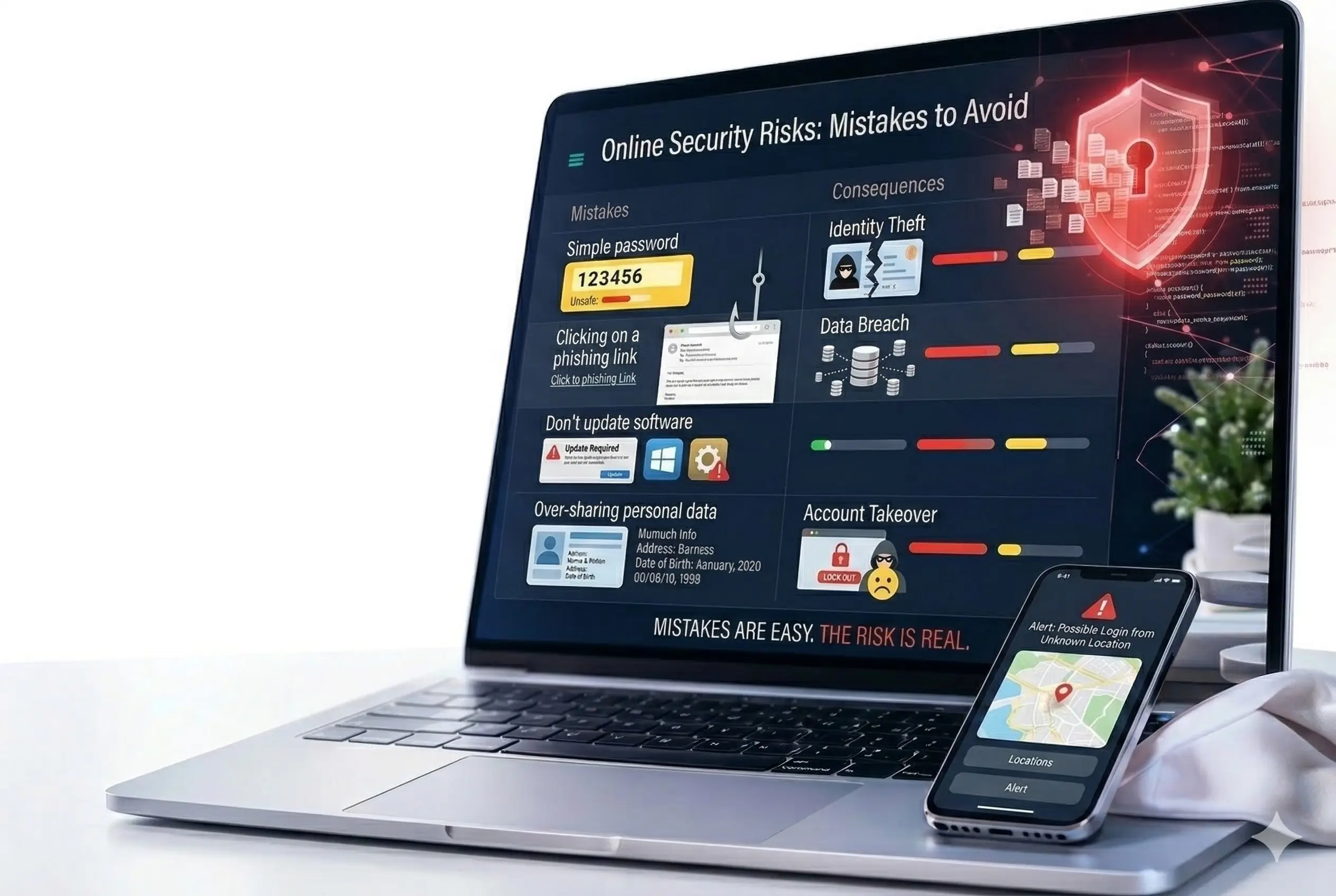
Most people don’t think of themselves as vulnerable to cyber threats. They avoid suspicious websites, ignore obvious scams, and assume basic precautions are enough.
However, many security risks don’t come from complex attacks—they come from everyday online habits. Small, seemingly harmless actions can expose personal data without users realizing it.
Understanding these common mistakes is an important step toward improving your digital safety and reducing unnecessary risks.
Reusing Passwords Across Multiple Accounts
One of the most common and risky habits is using the same password across different platforms.
While it may seem convenient, it creates a serious vulnerability. If one account is compromised, attackers may gain access to:
- Email accounts
- Banking platforms
- Social media profiles
- Cloud storage
This type of attack, known as credential reuse, is widely used because it requires minimal effort and often succeeds.
Clicking Links Without Verifying the Source

Many cyber threats rely on users clicking links without thinking twice. These links often appear in:
- Emails
- Text messages
- Social media posts
Even when they look legitimate, they may lead to phishing websites designed to steal login information or personal data.
A simple click can be enough to expose sensitive information if the source is not verified.
Ignoring Software Updates
Software updates are often seen as inconvenient, but they play a critical role in security.
Updates typically include fixes for known vulnerabilities. Delaying them means:
- Devices remain exposed
- Known security flaws stay unpatched
- Attackers can exploit outdated systems
Keeping software up to date is one of the simplest ways to reduce risk.
Downloading Files from Untrusted Sources
Downloading content from unofficial or unknown sources is another common mistake.
This includes:
- Free software from unofficial websites
- Email attachments from unknown senders
- Cracked or modified applications
These files may contain hidden malware that installs silently and begins collecting data or altering system behavior.
Using Public Wi-Fi Without Precautions

Public Wi-Fi networks are convenient but often lack proper security.
Without precautions, attackers may be able to:
- Intercept data transmissions
- Monitor browsing activity
- Access sensitive information
This risk increases when users access important accounts, such as banking or email, on unsecured networks.
Overlooking Privacy Settings
Many online platforms collect more information than users realize. Default privacy settings are not always designed to minimize exposure.
Failing to review these settings can result in:
- Oversharing personal information
- Increased visibility to unknown users
- Greater exposure to targeted scams
Taking a few minutes to adjust privacy settings can significantly reduce risk.
Why These Mistakes Matter More Today
Online threats have become more targeted and automated in recent years. Attackers no longer rely solely on technical vulnerabilities—they focus on predictable user behavior.
Small mistakes can now lead to:
- Data breaches
- Account takeovers
- Financial loss
- Identity-related issues
According to the Cybersecurity and Infrastructure Security Agency (CISA), many successful cyber incidents involve basic security oversights rather than advanced technical attacks.
Building Safer Online Habits
Improving digital safety does not require advanced technical knowledge. Instead, it involves being more aware of everyday actions and making small adjustments.
Helpful practices include:
- Using unique passwords for each account
- Verifying links before clicking
- Keeping software updated
- Downloading files only from trusted sources
- Reviewing privacy settings regularly
These habits help reduce exposure and make it more difficult for attackers to succeed.
Understanding Your Protection Options
While safe habits are essential, they are not always enough on their own. Modern threats are designed to bypass basic precautions and exploit small gaps in user behavior.
Security tools can help monitor activity, detect suspicious behavior, and block threats before they cause harm.
If you’d like to explore how different security solutions compare in terms of protection features and usability, you can review our in-depth guide to the best antivirus software available today.
Final Thoughts
Most online risks don’t come from dramatic attacks—they come from small, repeated actions that go unnoticed. Over time, these habits can create opportunities for cyber threats to succeed.
Recognizing and correcting these common mistakes is one of the most effective ways to improve your overall cybersecurity awareness and reduce exposure in today’s digital environment.